We had travelled to Ranthambhore, Kanha and Pench to catch a glimpse of our beloved beautiful beast – the Tiger; each a popular and predominant tiger land of the country. Tigers are the kings in these parts and most of the Indian forests, the only other big predator being the cautious leopards. Tigers are more popular for two key reasons. One – they symbolize the fraternity of Indian animals to the outside world, they are among the country’s national symbols. Two – they are, truly, the most beautiful felines to walk the earth. But India is also known to be the last refuge of the real King of the Jungle, the Asiatic Lions. The only other species carrying similar genes are their cousins in Africa, the African Lions.
Sasan Gir in Gujarat, India is their only home in the whole of Asia, having been driven into a hovel due to rampant and incessant habitat destruction. The tiger because of its adaptable nature, diverse lifestyle and hunting habits may have been able to sustain the onslaught of destruction and managed to thrive where the forest still held ground. But it seems that the lion certainly could not. And so, their numbers dwindled till it found just a last bit of globe safe for occupation. We decided to pay a visit to this only refuge and its majestic refugees. Reports of presence of around ninety cubs in Gir that year had hit the environment page of the News, interesting many avid photographers and wildlife devotees, and we were among them.
November 03, 2012
06:30
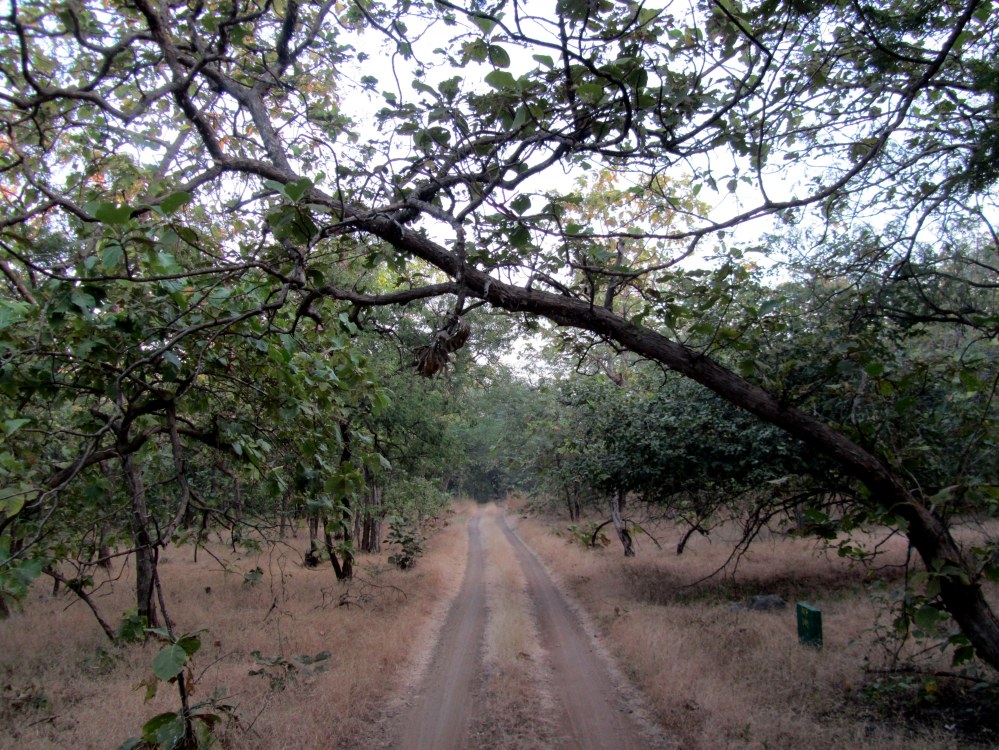
Sasan Gir turned out to be more arid than vegetated; more dry brown than leafy green. It was clear why its prime inmates were having trouble adjusting elsewhere. As jeeps entered the forests, a cool breeze hit our entire frame; we had finally entered the den; and we sensed the regal air. It was after all the grand home of the Kings. Two hours into the morning safari, our engines were cut. The reason for our visit was just metres beyond, but completely hidden to the naked eye. Some five safari jeeps had been parked alongside ours. Forest guards on foot, armed with long sticks, were cranking their necks and peeping ahead into a small, low clearing. Standing on the tip of our seats, we could only get a momentary vision of what lay ahead. Two – three lionesses were lazing around with their cubs. They had settled in the midst of shrubs. The cubs, the size of adult cats, were jumping on and off their mother and aunts. The jeeps stayed put only for seconds as they were not allowed to venture beyond the road path. And so it was a complete chaos. Before our eyes could get adjusted to the difference between surroundings and their amazingly camouflaged inhabitants, the jeeps throttled backward. The ones who could position their cameras effectively got a hazy picture. We could only judge the variance because of the movement of the cubs; otherwise their mothers were entirely concealed even to the searching eyes. It was our first date with a royal family who seemed uninterested in us. We were thrilled but also visibly unhappy because it had just been a hasty glance like a blurred dream; we could only guess the outlines, rest was left to imagination.
We moved on or to put it more appropriately – we had to move on, as the forest guards would not allow us any further. We were forbidden to disturb the royalties at their palace. With hopes alive, we trudged on. There was rich and ample prey base in Gir. It was an empire of an estimated – four hundred and twelve adult lions. So accordingly, there had to be a healthy count of prey too. A Sambar or the Indian Deer was happily munching a breakfast of leaves. Ahead, groups of Chital or the Spotted Deer were rambling quietly. The morning safari ended and we were back at our encampments.
12:00
We set out to explore a river side. A Citrine Wagtail was eyeing for food in the shallow portions of the river. Unperturbed by the camera clicking at it, it keenly hunted for its food. Other water birds like Egrets, Cormorants and Ibis were scattered at ease near a rock, not far from where we were standing. It was a silent and peaceful afternoon. An Indian Robin female was calling out from the nearby bushes. I rushed to source of sound. As I neared, it was all quiet again. Camouflage and self-defence coupled with acute eyesight and a strong sense of smell, was a deep rooted art that Nature had inculcated in all her children; to protect them from dangerous intents. But I meant no harm. And the lady Robin allowed me a good look at her before disappearing into the shrubberies.
An interesting fact about the conservation and flourishing of wildlife in Sasan Gir is the diminished man-animal conflict. Both the villagers and lions are somewhat tolerant of each other.
(to be continued…)

